Regulatory Effects on Live Betting Dynamics in Swiss Football Markets
Freya Butler · Aug 18, 2026
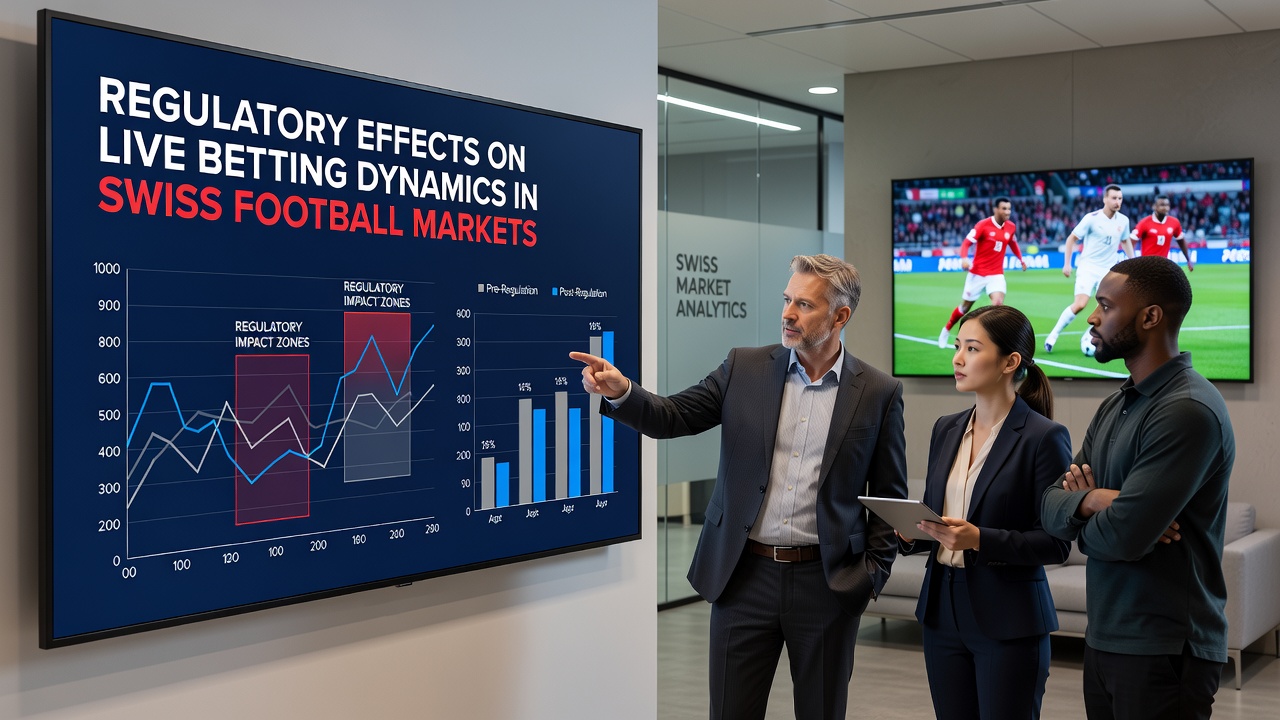
Regulatory Effects on Live Betting Dynamics in Swiss Football Markets
Switzerland's Federal Act on Gambling established a structured licensing system that directly shapes how operators handle live betting on domestic football matches, with requirements for real-time monitoring and strict limits on in-play wager types that came into sharper focus after initial implementation rounds.
Data from federal oversight bodies shows licensed platforms must integrate automated checks during matches to prevent unauthorized bet placements, and these measures influence the speed at which new markets open once a game begins; researchers tracking Swiss Super League fixtures note that goal-scoring events trigger fewer immediate odds adjustments compared with less regulated environments because compliance protocols require verification steps before updates reach bettors.
Core Licensing Rules and Their Reach into Live Markets
The Swiss framework demands that only entities holding a federal concession can offer live betting on football, which restricts the number of active operators and concentrates activity among a smaller group of approved platforms; this concentration leads to standardized procedures for suspending markets during incidents such as video assistant referee reviews, while figures from industry reports indicate suspension durations average longer in Switzerland than in neighboring jurisdictions because every change must align with documented risk parameters.
Operators also face ongoing reporting obligations that capture every live wager placed on Swiss football events, creating datasets that regulators use to identify unusual patterns, and those datasets reveal seasonal spikes around August fixtures when the new league campaign starts, prompting enhanced scrutiny that can delay the activation of certain prop bets until verification clears.
Adjustments in Odds Formation and Market Availability
Live betting dynamics shift because Swiss rules require operators to maintain minimum liquidity reserves before expanding in-play options, which means fewer micro-markets appear during lower-profile matches even when fan interest rises, and analysts examining Super League data observe that corner and card markets open later in games under these constraints compared with pre-regulation patterns.
What's interesting is how these liquidity rules interact with football's variable pace: high-stakes derbies generate enough volume to support rapid market additions, yet mid-table encounters often see restricted selections because the compliance layer adds processing time that operators cannot bypass, and external studies on European betting volumes confirm Switzerland's slower market refresh rates relative to other controlled markets.
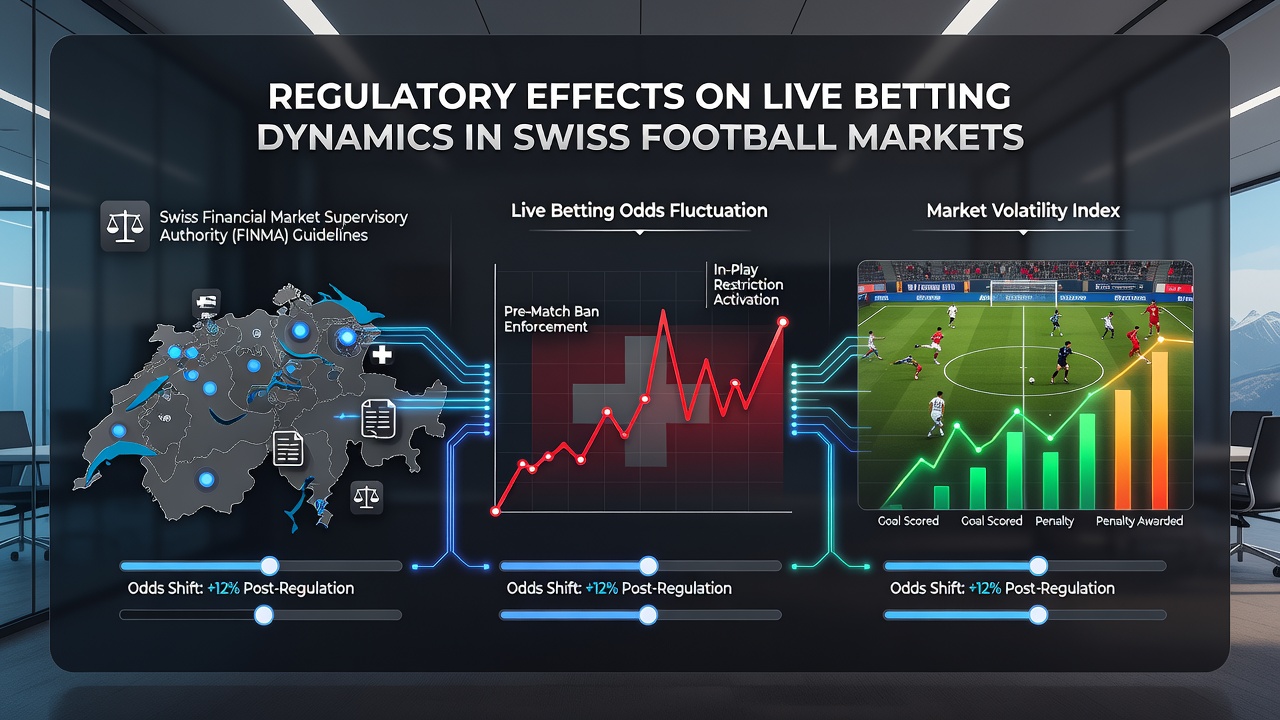
August 2026 marks the scheduled rollout of updated technical standards that will require enhanced encryption for all live betting interfaces, and preparations for this change have already prompted some operators to limit certain high-frequency wager types during testing phases, which in turn affects bettor behavior by steering activity toward simpler outcome markets that face fewer processing hurdles.
Technological Compliance and Operational Realities
Platforms serving Swiss users must deploy geofencing combined with real-time identity verification that runs continuously throughout a football match, and this layered security slows the pace at which new live betting options can be introduced after events like substitutions or injuries occur, according to operational summaries released by licensed providers.
Yet the same systems deliver detailed audit trails that allow regulators to trace every wager back to its origin, and those trails have helped identify instances where automated tools attempted to exploit micro-second delays, leading to further refinements in how markets pause and resume during games.
One study published by a Canadian research institute highlighted comparable effects in other tightly supervised regions, showing that regulatory-mandated pauses correlate with reduced volatility in live odds for football, while Swiss-specific figures reveal similar stabilization in domestic league matches once the compliance tools fully integrate.
Broader Market Responses Across Football Competitions
Swiss operators increasingly focus live betting offerings on major European competitions involving Swiss clubs because those fixtures attract higher volumes that offset the compliance overhead, and this selective emphasis leaves smaller domestic matches with thinner in-play selections despite strong local interest, according to aggregated transaction records.
But here's the thing: the regulatory structure also encourages partnerships between operators and data providers to ensure every live update meets accuracy thresholds, which raises the baseline quality of information flowing into odds models even as it limits the sheer quantity of available markets during routine league weekends.
Conclusion
Overall, Switzerland's regulatory approach produces measurable effects on live betting speed, market breadth, and operational safeguards within football markets, with licensing conditions, reporting duties, and upcoming technical upgrades in August 2026 continuing to define how platforms structure in-play activity; observers tracking these developments note that the resulting environment favors stability and traceability over rapid expansion of betting options.