How Swiss Regulatory Frameworks Reshape Bonus Mechanisms in Hybrid Digital Football Environments
Freya Schmitz · Sep 3, 2026
How Swiss Regulatory Frameworks Reshape Bonus Mechanisms in Hybrid Digital Football Environments
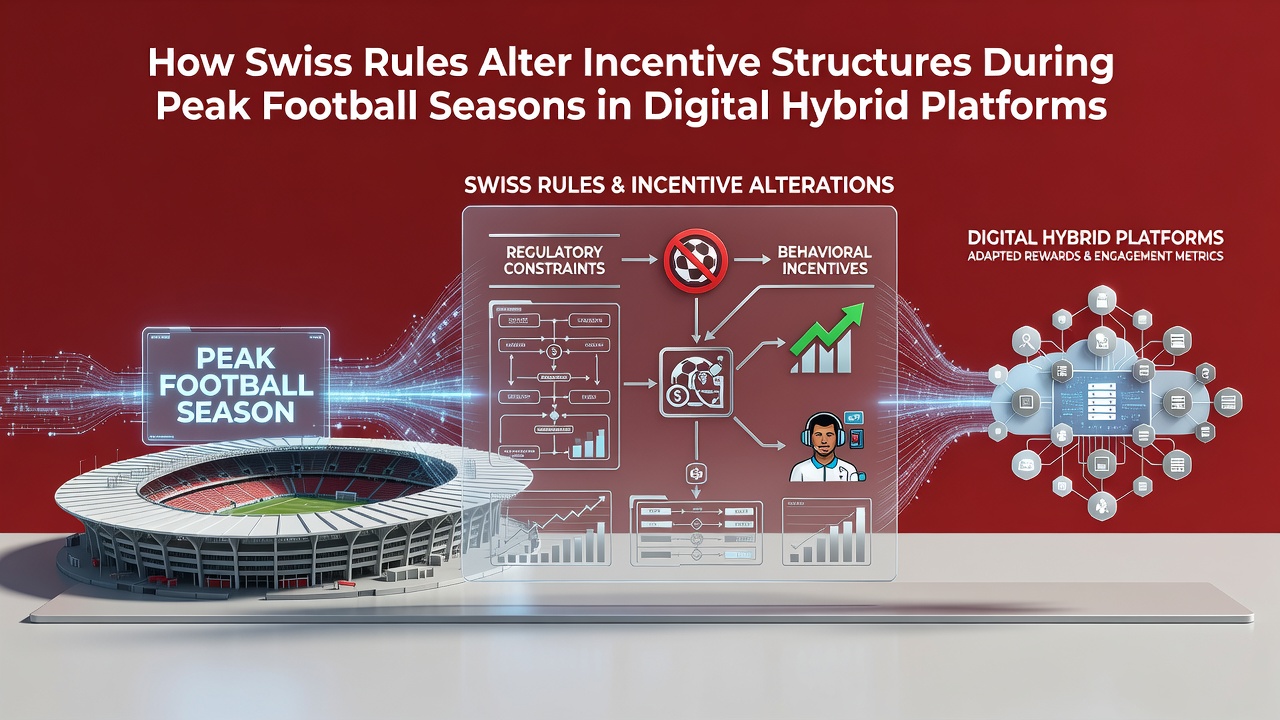
Swiss legislation establishes clear boundaries on promotional activities within licensed digital platforms that combine football wagering with casino-style elements, and these boundaries become especially visible once major leagues enter their most intense periods. Federal rules require operators to maintain transparent structures around deposit matches, free bets, and loyalty rewards, which means platforms must adjust how they allocate incentives when user activity spikes around events such as the Swiss Super League and European club competitions.
Core Provisions Governing Incentives
Operators holding Swiss licenses must cap bonus values and tie them to verifiable play-through requirements that differ from those applied in less regulated markets, according to guidelines issued by the Swiss Federal Gaming Board. These caps prevent unlimited reward stacking during peak windows, and data from the 2025-2026 campaign showed reduced average bonus percentages across hybrid sites once the autumn schedule intensified. Platforms therefore shift emphasis toward time-limited offers tied to specific match days rather than open-ended promotions that could breach spending thresholds.
Timing Effects During High-Volume Periods
September marks the return of full domestic and continental calendars, and the 2026 season will see additional scheduling pressure because several international qualifiers overlap with club fixtures. Regulatory text requires that any incentive advertised during these weeks must display both the maximum payout limit and the exact validity window, forcing platforms to redesign banner campaigns and push notifications so they remain compliant while still attracting users who follow multiple matches simultaneously. Observers note that hybrid environments respond by introducing tiered rewards that unlock only after a user places wagers across both sports and casino sections, thereby distributing activity rather than concentrating it on football alone.
Research from the European Gaming and Betting Association indicates that jurisdictions with similar licensing models experience a measurable drop in bonus-related disputes once clear disclosure rules are enforced. Swiss platforms mirror this pattern by publishing updated terms at the start of each calendar month, a practice that becomes critical when September fixtures create surges in new account registrations.
Hybrid Platform Adaptations
Digital environments that merge live football markets with slots or table games face an extra layer of scrutiny because a single user session can cross between verticals. Rules stipulate that any bonus earned in one section cannot automatically transfer to the other without explicit user consent and separate verification steps. Consequently many operators segment their reward systems, creating football-specific loyalty points that convert into casino credits only after a set number of days, which reduces the risk of unintended regulatory breaches during busy match weekends.
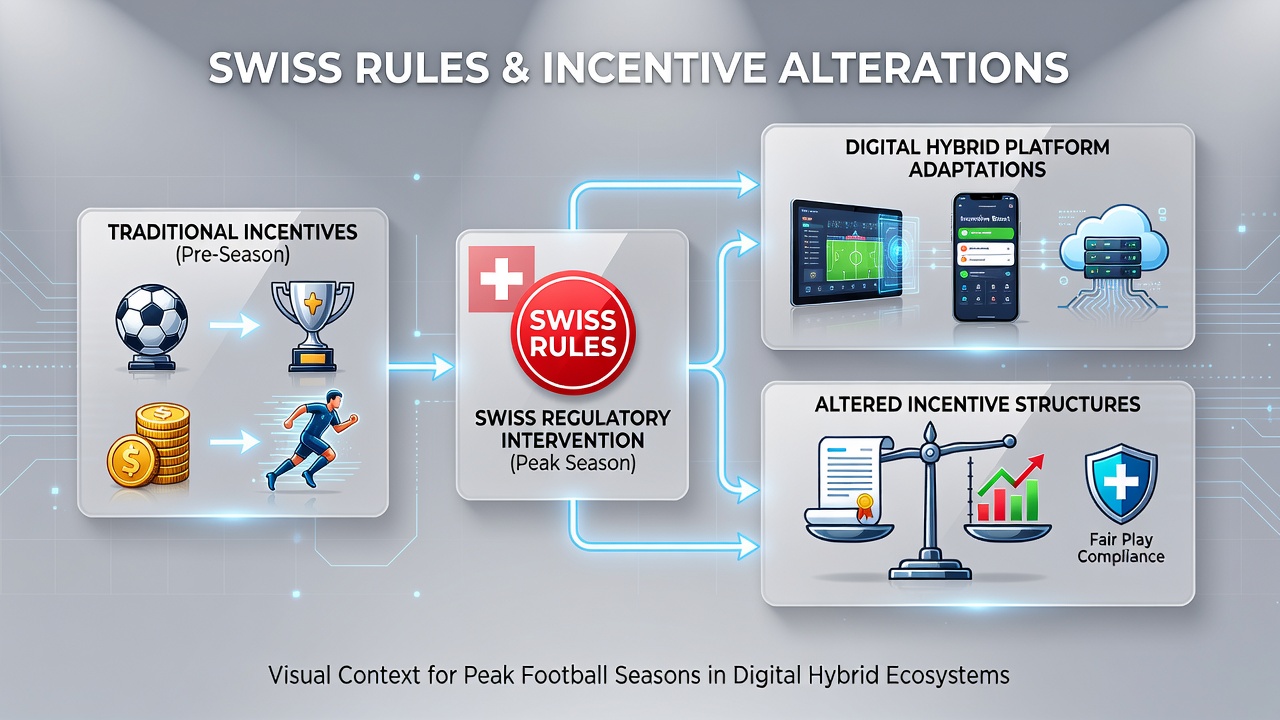
Industry reports compiled by the Canadian Gaming Association highlight parallel adjustments in other regulated regions, where operators introduced match-day multipliers that reset daily instead of accumulating across an entire season. Swiss platforms have adopted comparable daily reset mechanics, partly because federal monitoring systems flag prolonged bonus activity as a potential compliance issue. This structural change means users receive smaller but more frequent incentives, a pattern that aligns with responsible gaming objectives while still supporting engagement throughout September and October fixtures.
Data Patterns and Compliance Metrics
Figures released by the Swiss Federal Office of Justice reveal that licensed hybrid operators processed a higher proportion of self-imposed bonus limits during the previous autumn window compared with spring months. The increase correlates directly wth fixture density rather than overall user growth, suggesting that regulatory caps exert stronger influence when demand is highest. Platforms respond by publishing weekly compliance summaries that list total bonus volume alongside match schedules, allowing regulators to verify adherence without additional audits.
Academic analysis from the University of Sydney’s gambling research unit examined similar seasonal effects across multiple European licensing regimes and found that transparent incentive structures correlate with steadier user retention figures rather than sharp spikes followed by drop-offs. Swiss operators appear to apply these findings by staggering reward releases across different time zones of their user base, ensuring that peak-hour traffic does not overwhelm verification systems required under federal law.
Future Adjustments Ahead of 2026
As the 2026-2027 campaign begins in September, operators anticipate further refinements to incentive layering because updated federal circulars will require real-time reporting of bonus redemptions. Hybrid platforms are already testing automated flagging tools that pause promotions once aggregate user spending approaches defined thresholds, a measure designed to prevent accidental over-allocation during congested match periods. These tools integrate with existing account monitoring systems, creating a feedback loop that regulators can review at the end of each reporting quarter.
Conclusion
Swiss rules continue to shape the design and timing of rewards within digital hybrid platforms by enforcing caps, disclosure standards, and segmentation requirements that intensify during peak football months. Operators adapt through daily resets, tiered loyalty mechanics, and automated compliance checks, while data from regulatory bodies and independent research groups show measurable shifts in how incentives are distributed. The framework established for the upcoming September 2026 season builds on these established patterns rather than introducing entirely new constraints.