Decoding the Link Between Reward Incentives and Dynamic Probability Shifts in Ongoing Match Wagers and Virtual Gaming Sessions
Sage Schmitt · Aug 22, 2026
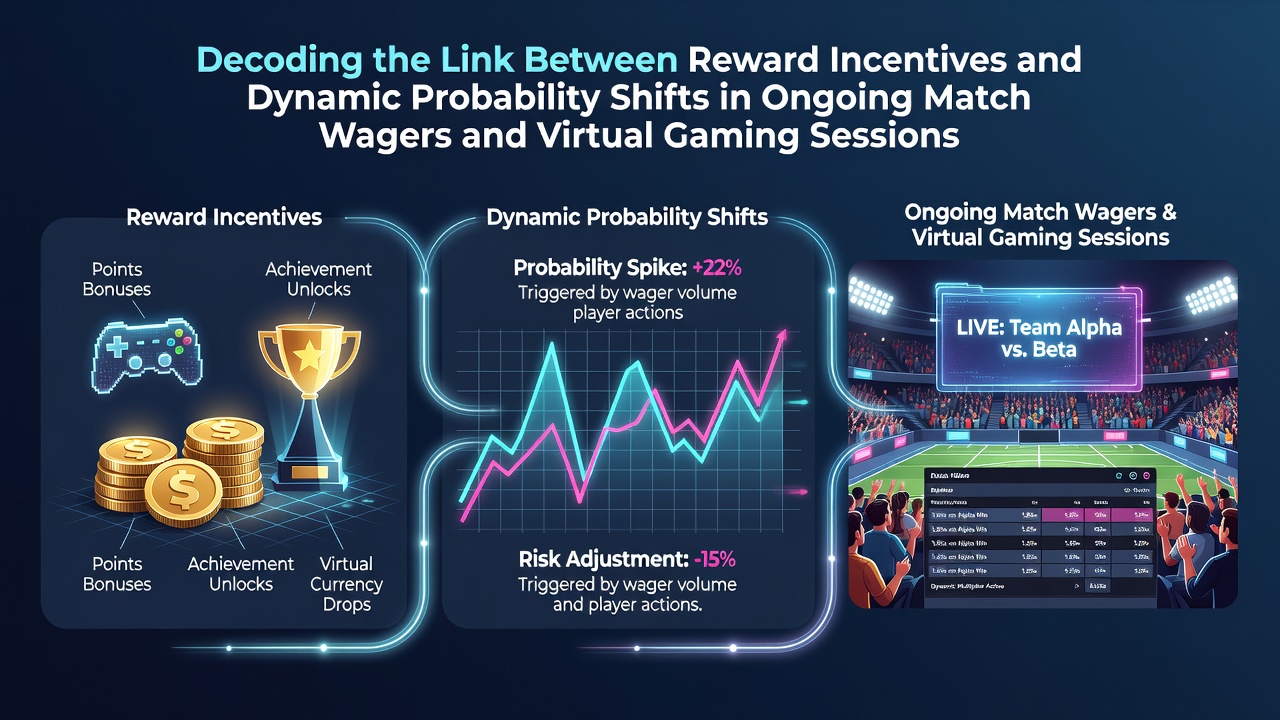
Decoding the Link Between Reward Incentives and Dynamic Probability Shifts in Ongoing Match Wagers and Virtual Gaming Sessions
Observers note that reward incentives in ongoing match wagers and virtual gaming sessions create measurable shifts in how probabilities are perceived and adjusted over time, while data from multiple research initiatives track these patterns across platforms. Researchers at institutions focused on behavioral economics have compiled figures showing that bonus structures and loyalty points frequently alter player decision-making thresholds, and these changes appear most pronounced during extended sessions where odds recalibrate in real time.
Mechanics of Reward Incentives in Wagering Environments
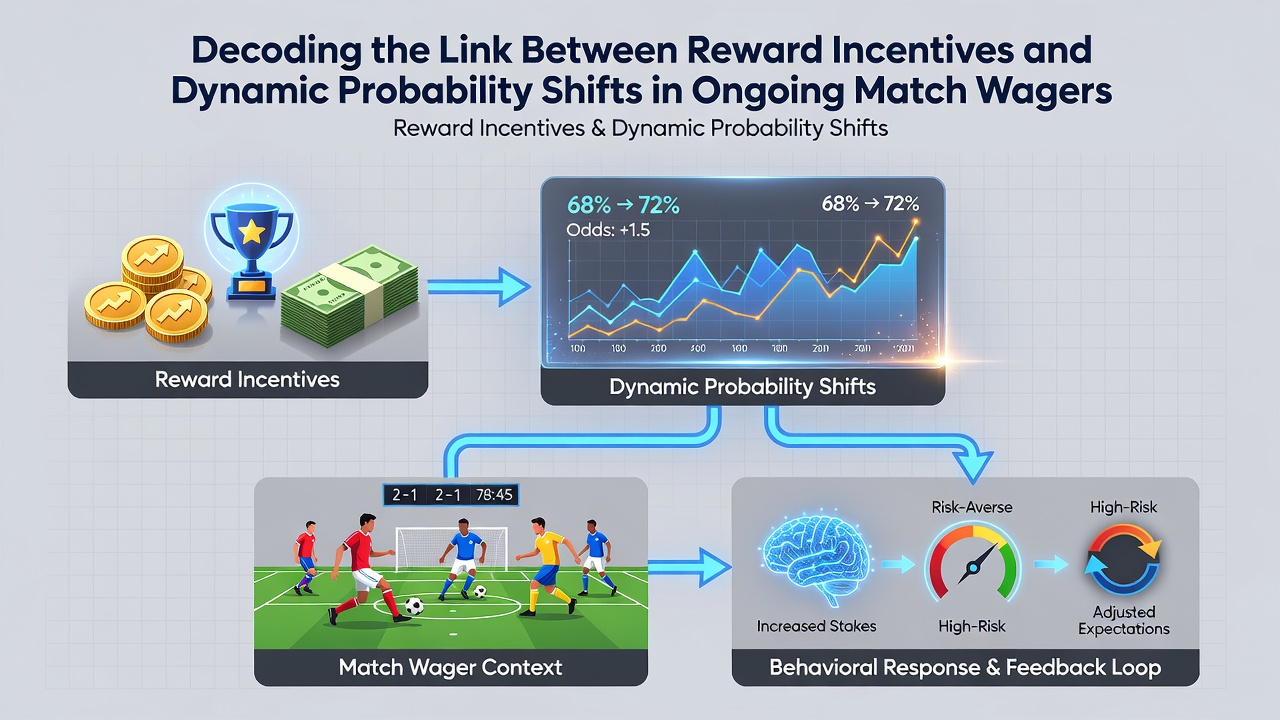
Platforms deploy cashback offers, deposit matches, and progression rewards to sustain participation, yet these tools also influence the effective probability landscape because they modify the net return calculations that bettors apply mid-session. Studies compiled by the Australian Gambling Research Centre reveal that players receiving tiered incentives tend to extend their activity windows, and this extension correlates with increased exposure to dynamically shifting odds in football matches or virtual table games. The reality is that incentive layers stack onto base probabilities, creating composite expectations that evolve as session length increases and as platforms refresh their internal risk models.
Dynamic Probability Adjustments During Live Match Wagers
Live betting markets update probabilities continuously based on in-game events, and reward incentives accelerate these adjustments when they prompt higher volumes of wagers on specific outcomes. Data collected through monitoring systems indicate that a sudden influx of incentivized bets on one side of a proposition can trigger faster odds compression, while the underlying event probabilities remain anchored to performance metrics. Experts tracking these interactions point out that virtual gaming sessions exhibit similar feedback loops because algorithms recalibrate payout rates in response to aggregated player behavior, and incentive-driven volume spikes serve as the primary input signal for those recalibrations.
Observations from Virtual Gaming Sessions
Virtual gaming environments generate probability shifts through algorithmic adjustments that respond to play volume and reward redemption patterns, and longitudinal tracking shows these shifts often cluster around peak incentive distribution periods. One analysis conducted by the National Center for Responsible Gaming documented how free-spin allocations in virtual slots altered hit-frequency perceptions within individual sessions, and similar patterns emerged in live dealer variants where progressive jackpots were tied to cumulative incentive thresholds. As of August 2026, several operators have introduced session-level dashboards that display both reward balances and adjusted probability indicators simultaneously, allowing observers to map direct correlations between the two variables in real time.
Empirical Patterns Across Platforms
Figures released by regulatory bodies in multiple jurisdictions demonstrate that sessions incorporating active reward redemptions display higher variance in realized outcomes compared with baseline sessions, and this variance stems partly from the way incentives recalibrate risk tolerance thresholds. Researchers examining Canadian provincial gaming data found that players who activated loyalty multipliers increased their average stake size by measurable margins, and the resulting probability distributions reflected those stake adjustments through accelerated market movements. Yet the core mathematical models governing individual game outcomes remain unchanged; only the behavioral overlay produces the observable dynamic effects.
Take one dataset where analysts compared incentivized versus non-incentivized cohorts across virtual roulette sessions, and the results showed that incentive recipients exhibited tighter clustering around high-probability betting zones during the latter half of sessions. This clustering occurs because accumulated rewards reduce the perceived cost of continued play, prompting participants to chase marginal edges that the platform algorithms have already begun to tighten. Industry reports from the European Gaming and Betting Association further illustrate that cross-product incentive programs, which link match wagers with virtual slot progressions, generate compounded probability feedback because activity in one vertical influences bonus availability in the other.
Conclusion
The documented connections between reward incentives and probability dynamics rest on observable data patterns rather than isolated anecdotes, and ongoing monitoring through academic and regulatory channels continues to refine these mappings. Platforms that publish transparent session analytics enable clearer identification of how incentive timing intersects with live odds movements, while players gain visibility into the cumulative effects on their exposure profiles. Continued collection of granular datasets across regions will likely sharpen the precision of these linkages in subsequent reporting cycles.